Does Dry Needling Hurt, and Will I Be Sore Afterwards?
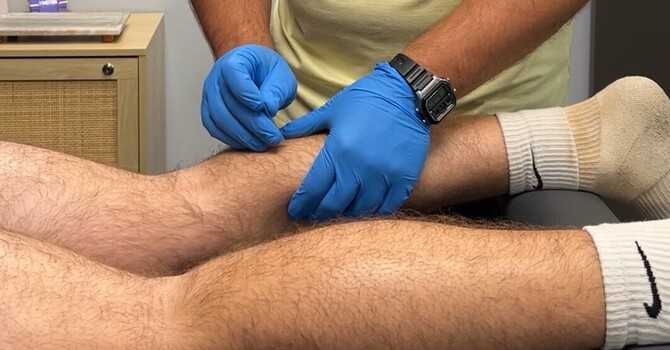
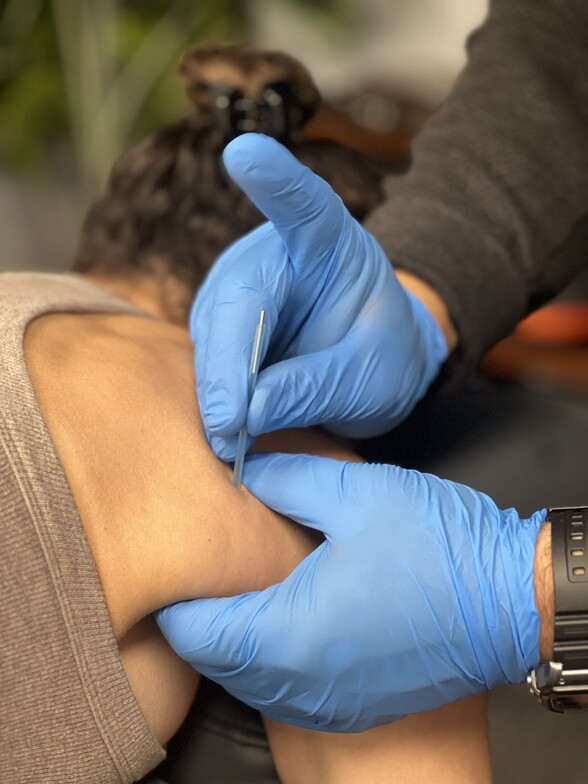
The short answer is yes, dry needling can hurt. But it doesn’t hurt for everyone, and the experience varies quite a bit from person to person.
Some people are surprised by how little they feel. Others actually enjoy it, because dry needling can reach spots within a muscle that a thumb, massage gun, or foam roller can’t. Still others describe it as a deeper ache, pressure, or brief cramping sensation.
The important thing is that we can adjust the treatment based on how it feels for you.
Everyone Responds Differently
There’s no great way to predict exactly what dry needling will feel like before you try it.
Your sensitivity, the area we’re treating, your general comfort with needles, and your experience with other bodywork can all play a role. Even the same person may find that needling one area feels completely different from another.
We Can Start Slowly
If you’re interested in dry needling but nervous about how it will feel, we don’t have to dive straight into the deep end.
We can start with areas that tend to be more comfortable, use a gentler approach, and see how you respond. From there, we can decide whether it makes sense to do more. For someone who already knows they tolerate dry needling well, we may be able to take a more direct approach from the beginning.
More than twelve years of hands-on dry needling experience help us get a good sense of what approach makes sense for you.
What If I Don’t Like It?
That’s okay! We can try adjusting the technique or shift areas. If it still isn’t a fit, there’s no need to push through something that doesn’t feel right.
Dry needling is just one tool we can use to help decrease pain, improve mobility, and get you moving more comfortably. We often combine it with active release technique (ART), scraping and other forms of manual therapy, adjustments, and therapeutic exercise, depending on the issue you’re facing. If dry needling isn’t for you, we can build a plan solely around these other treatments.
The goal is to figure out which tools make sense for you and your goals.
What About Soreness Afterwards?
Many people notice some soreness in the treated area after dry needling, and it’s often compared to the feeling after a good workout. It typically fades within a day or two. Others feel little to nothing at all.
Light movement and staying active within your comfort level can often help. As with the rest of the experience, it varies from person to person.
If the soreness isn’t improving the way you expected, just let us know. We’re always happy to talk it through.
So, Is Dry Needling Painful?
It can be. It can also be surprisingly comfortable.
If you’re curious but hesitant, you don’t have to know how you’ll respond before you start. We can begin gently, communicate throughout the treatment, and adjust based on how you respond.
At InMotion Sport & Spine, dry needling is just one of the ways we help people move and feel better. We’ll help you determine whether it’s a good fit, find an approach that works for you, and pair it with the right techniques to keep you moving.

Steven Reinlie
Contact Me