Is Dry Needling Enough By Itself? Do I Also Need Rehabilitation?
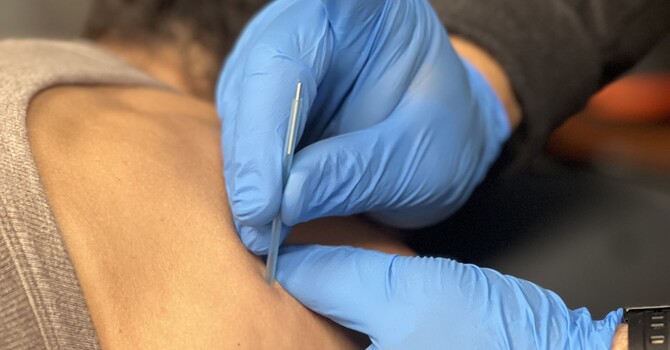
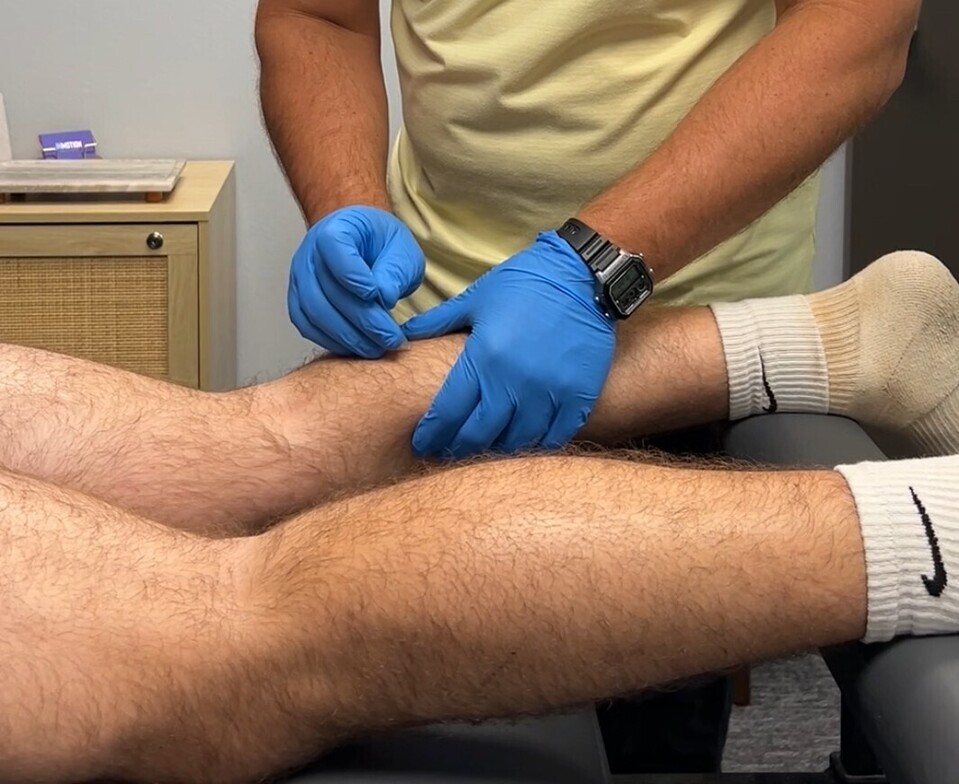
At InMotion Sport & Spine, we typically use dry needling as one part of a larger treatment plan.
For most people, that means combining dry needling with hands-on care to address pain or movement restrictions and adding exercise to develop strength and support a return to activity.
There are exceptions. If you're already working with another provider and simply need dry needling to complement the rest of your care, standalone appointments may make sense. But if we're managing your problem from start to finish, we generally take a more comprehensive approach.
Dry Needling Is One of Several Tools We Use
We also utilize active release technique (ART), scraping and other manual therapy, adjustments, and therapeutic exercise. Used together, these approaches allow us to reduce pain, improve flexibility and strength, and get you moving more comfortably.
Which techniques we use depends on what we're treating and how you're responding.
That means your appointments won't necessarily look the same every time. We may use dry needling more heavily during one visit and rely more on hands-on treatment or another technique at the next.
Dry Needling Helps Us Work Toward the Bigger Goal
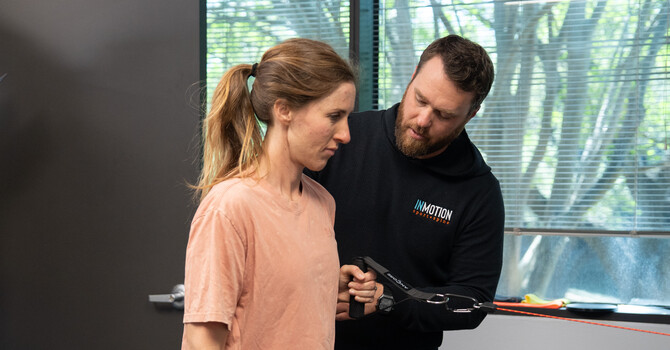
Getting back to the activities you enjoy often means rebuilding strength and confidence through exercise. If pain has kept you from an exercise that could help you get stronger, dry needling may make that movement comfortable enough to begin. We might start with lighter resistance or a smaller movement, giving you a manageable starting point for recovery.
In other cases, restricted flexibility may be affecting how you move. We may use dry needling to address a muscle contributing to that restriction, even if it’s away from where you feel pain. With more motion available, we can use exercise to practice that movement and develop strength and control through the range you’ve gained.
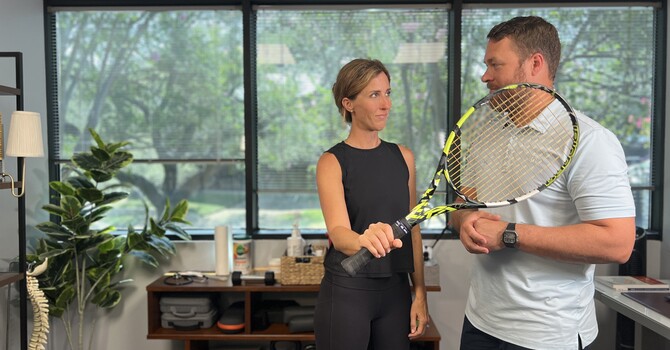
Over the course of your treatment, we’ll build on that progress, gradually introducing more challenging exercises to prepare you for the demands of your work, workouts, or sport.
So, Do You Need More Than Dry Needling?
Generally, yes. How much more depends on what’s limiting you, what you want to return to, and what care you’re already receiving. If we’re guiding your recovery, we’ll use dry needling where it helps and make sure you have a plan for continuing that work beyond the treatment table.

Steven Reinlie
Contact Me