What Is Dry Needling, and What Should I Expect During Treatment?
Muscle tightness and stiffness can keep you from moving the way you want to, and sometimes stretching and exercise alone aren’t enough to get things moving. That’s where dry needling comes in.
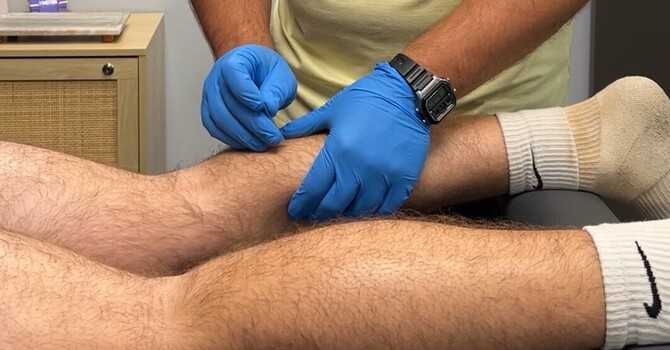
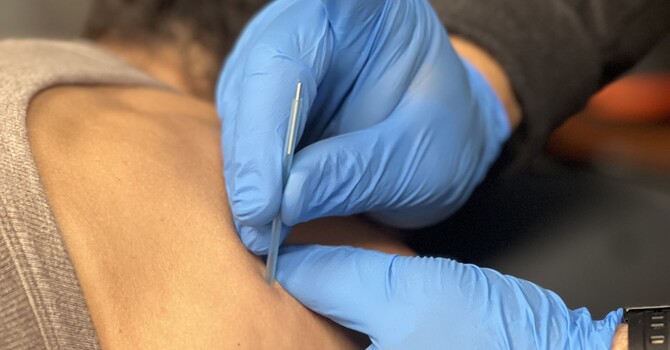
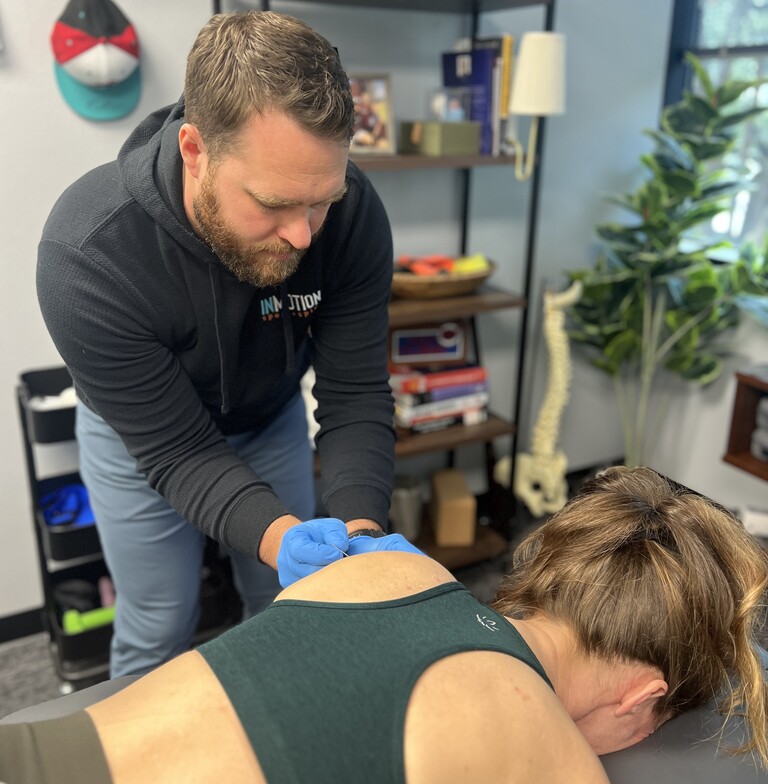
Dry needling is a treatment we use at InMotion Sport & Spine that uses a thin, sterile, single-use needle to target specific muscles that feel tight, painful, or restricted. We often pair it with other care to help ease pain, improve flexibility, and make movement more comfortable.
If you’re curious about dry needling, here’s what to expect, from how it feels during treatment to how it fits into your broader plan.
Why Is It Called “Dry” Needling?
The “dry” in dry needling simply means that nothing is injected during treatment.
Unlike a steroid injection or vaccine, dry needling uses a solid needle with no medication or liquid inside. The needles are also very thin, which is one reason treatment is often more comfortable than people expect.
What Does Dry Needling Feel Like?
Most people feel very little as the needle goes through the skin. Occasionally, you may notice a quick pinprick. Once the needle reaches the muscle, the sensation varies from person to person. You may feel:
- A brief muscle twitch that can feel similar to a quick cramp
- Pressure or a dull ache in the area
- Very little at all
Depending on your needs, we may also add electrical stimulation to dry needling. When we do, we gradually increase the intensity until you feel the muscle gently pulsing. We stay in communication throughout treatment and adjust the settings based on what feels comfortable for you.
Is Dry Needling Right for Everyone?
During your exam and consultation, we’ll determine whether dry needling makes sense for your specific condition. It tends to be most useful when muscle pain, tightness, or limited flexibility is contributing to the problem.
There are also situations where we may avoid dry needling or need additional clearance first, including:
- Certain bleeding disorders
- High doses of some blood-thinning medications
- A recent infection near the treatment area
- Recent surgery
- The first trimester of pregnancy
These situations are often considered individually, which is why your health history and exam matter before treatment begins.
What Should You Expect After Dry Needling?
It’s common to feel some temporary soreness after a dry needling session.
It usually feels similar to soreness after a workout and stays localized to the area we treated. For example, if we needle your shoulder, you may notice soreness around those specific shoulder muscles rather than feeling generally tired or unwell.
That soreness typically eases within 24-48 hours. You may also notice some bruising from time to time. Like any other bruise, it should gradually fade over the following days.
We usually encourage light movement after treatment, especially during your first few sessions. Walking, gently moving the treated area, or completing the exercises we’ve recommended can help keep you moving comfortably as the post-treatment soreness settles.
Dry Needling Is One Part of the Plan
Dry needling can be a very useful tool for reducing pain, improving muscle flexibility, and helping you move more comfortably. But it usually works best as part of a broader treatment plan.
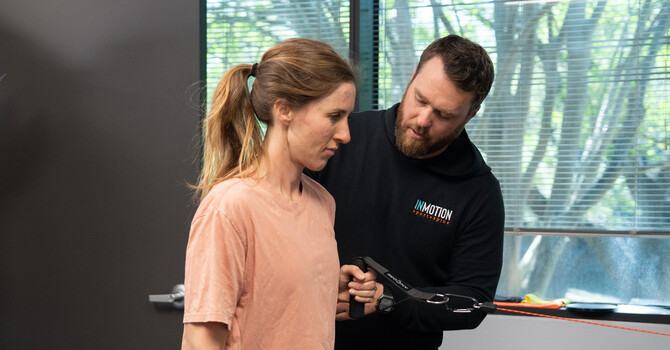
At InMotion Sport & Spine, we may combine dry needling with Active Release Technique (ART), scraping and other manual therapy, adjustments, and therapeutic exercise, based on what we find during your exam and how you progress.
If you’d like to explore whether dry needling might be a good fit for your pain or mobility issue, schedule an evaluation with InMotion Sport & Spine in Austin. We can assess what’s going on and help you build a plan for moving forward.

Steven Reinlie
Contact Me