How Do I Know If I Have Plantar Fasciitis?
Wondering if your heel pain is plantar fasciitis? Those first few steps out of bed in the morning can offer an early clue. If your heel hurts when you first stand up, feels better after a little walking, and becomes irritated again after more time on your feet, plantar fasciitis may be the cause.
When we evaluate heel pain, we start with a few key questions: where it hurts, when it shows up, and what other symptoms come along with it. Here’s what to pay attention to as you think through your symptoms.
Where Does Plantar Fasciitis Hurt?
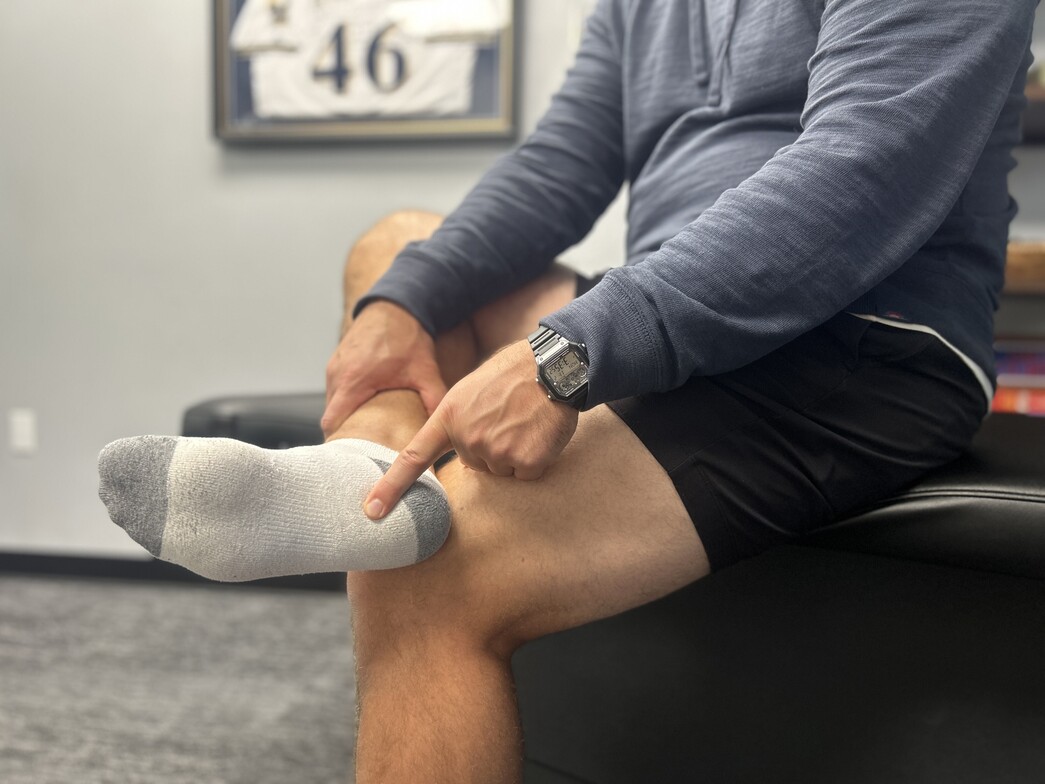
Plantar fasciitis is typically felt on the inner side of the heel, and sometimes along the bottom of it. That’s because the plantar fascia, a strong band of tissue that runs along the bottom of your foot and supports your arch, attaches there. When it becomes irritated, the heel is usually where you notice it first.
Heel Pain in the Morning or After Sitting
One of the most recognizable plantar fasciitis symptoms is pain with your first few steps in the morning. After a few minutes of walking, it may start to feel like your foot is “loosening up.”
That same pattern can happen after other periods of rest. You might sit through a long business meeting, stand up, and briefly notice your heel again. Heel pain after sitting can be another clue, even if you felt comfortable while you were resting.
Pain That Returns With More Time on Your Feet
Feeling better once you get moving doesn’t always mean the irritation has settled. With plantar fasciitis, discomfort can return with prolonged standing, walking, or exercise, or become more noticeable afterward.
Walking barefoot may also feel uncomfortable, especially on hardwood or other hard surfaces. You might notice that walking around the house bothers your heel more than you would expect.
What About Numbness or Tingling?
Numbness, tingling, and pins and needles are not typical plantar fasciitis symptoms. If you’re experiencing those sensations, it’s important to mention them during an evaluation because they may indicate another cause for your discomfort.
What Can You Do Next?
If your symptoms are pointing toward plantar fasciitis, there are several steps you can take at home to help manage your pain and make daily activity more comfortable. Our next blog covers these steps, from easing irritation to gradually building your activity back up. Just follow the link below to get started.

Steven Reinlie, DC
Contact Me